
Last Updated on May 17, 2021 by Colleen
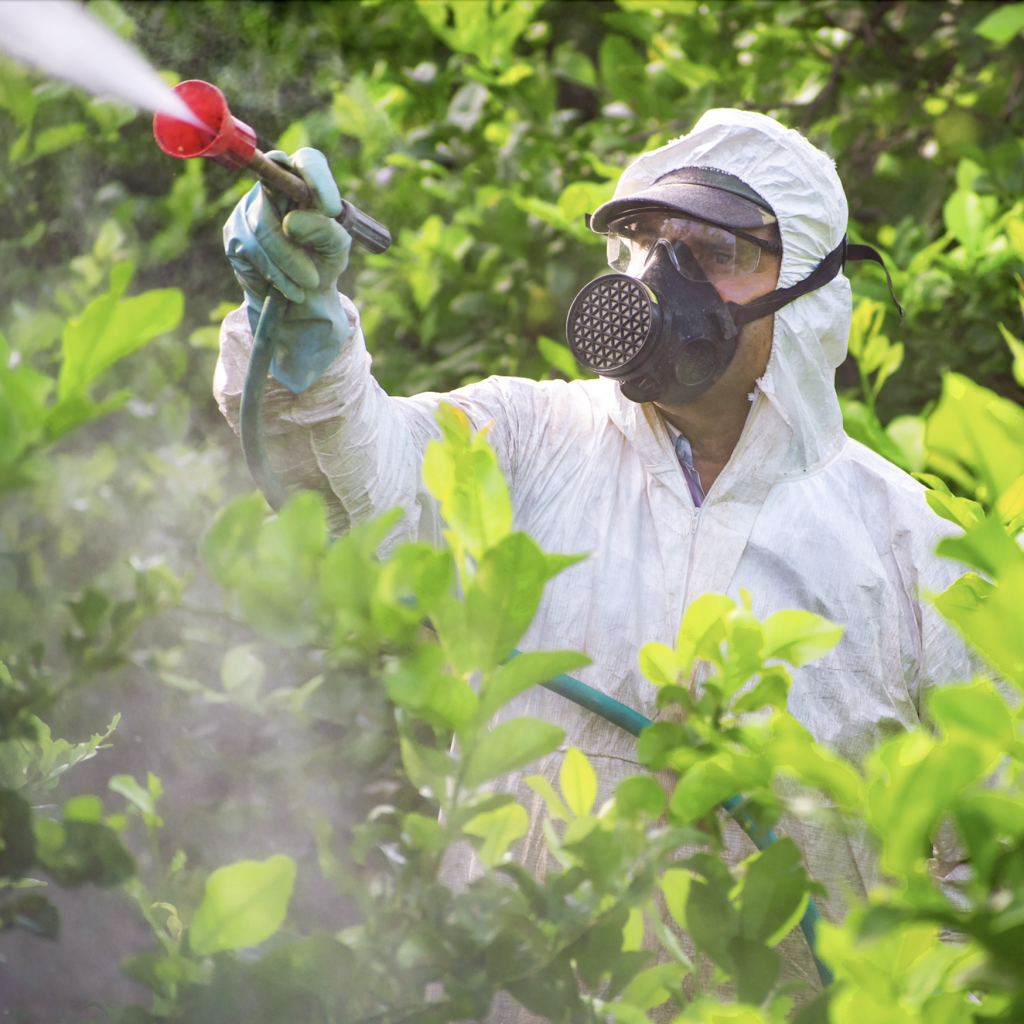
Chlorpyrifos is one of the most toxic agricultural chemicals. But the last administration stopped a move to ban its use. Now a U.S. court steps in to give the EPA a directive, and a very short timeframe to act.

How Toxic is Chlorpyrifos and Who is at Risk?
Dow Chemical patented chlorpyrifos as a pesticide in 1966. It is an organophosphate chemical. Farmers, groundskeepers, and exterminators have used it for 65 years. (To go straight to what you can do to protect yourself and influence the EPA’s decision, scroll down to “How Can You Protect Your Loved Ones from Toxic Chemicals?”)
It kills insects by inhibiting the essential enzyme activity that enables the messages that travel through nerve cells. Chlorpyrifos drifts through the air and poisons the lungs of people exposed to it. It also spreads its poison to people by clinging to fruits and vegetables and grass.
Tragically, it has proven to cause developmental damage even with a small exposure in fetuses and small children. Acute exposure can cause neuromuscular symptoms, seizures, lung failure, paralysis, and death. It is also toxic to bees and crustaceans.
How Do You Get Exposed to Chlorpyrifos?
Despite this toxicity, farmers, exterminators, and grounds keepers in the U.S. have used chlorpyrifos to control pests on
- corn
- soybeans
- fruit and nut trees
- Brussel sprouts
- cranberries
- broccoli and cauliflower
- golf courses
- turf
- termite control
- roach and ant traps
What Other Countries Have Banned It?
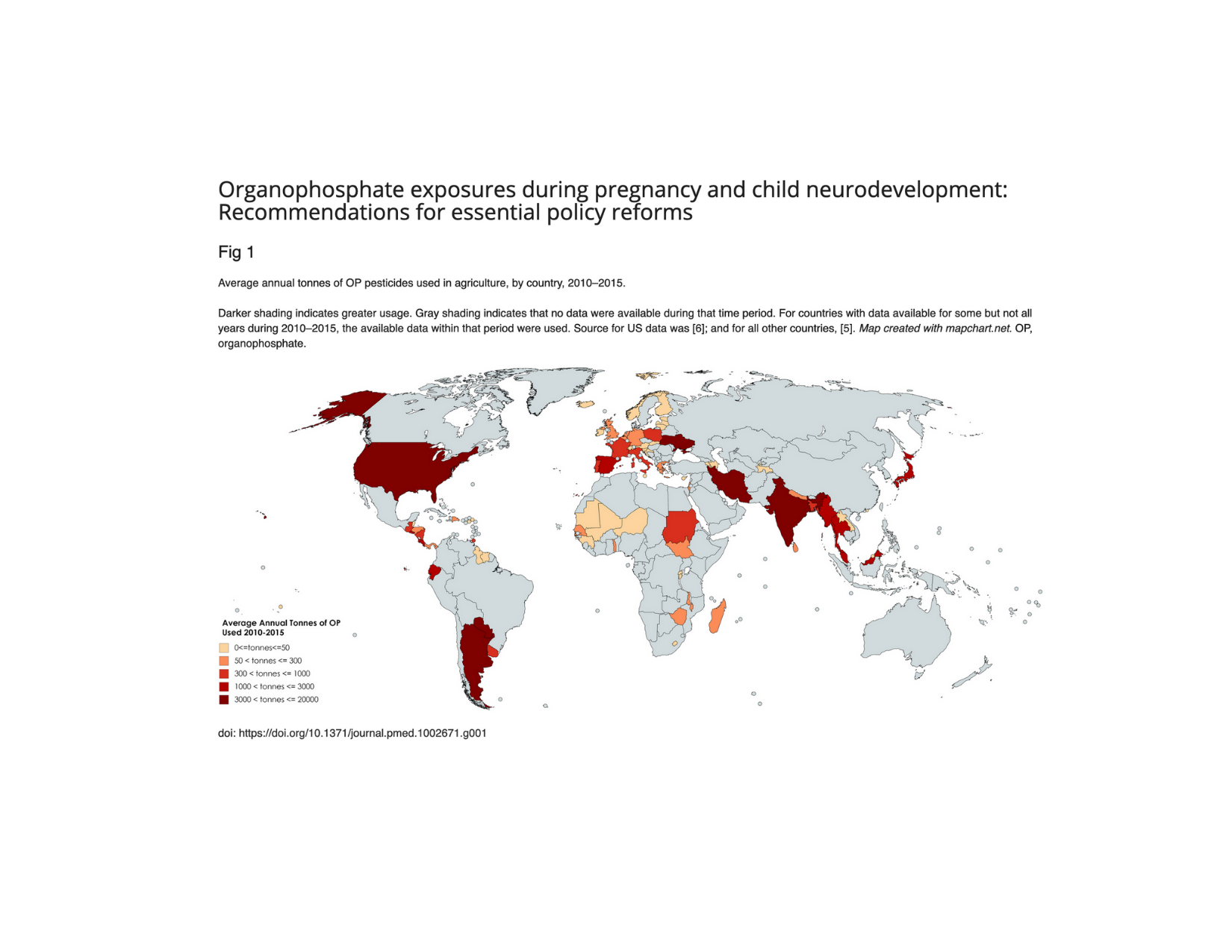
Many countries banned this toxin. And yet, the U.S. has continued using it to the present day. Here is the timeline.
- Singapore in 2009
- South Africa in 2010
- Denmark 2012
- European Union 2020
Why Hasn’t the U.S. Banned Chlorpyrifos?
Dow Chemical has lobbied hard for many years to keep chlorpyrifos on the market in the United States. The company asserts it is safe for use. And yet, the EPA has not been able to find a safe threshold of exposure. In fact, Dow paid a $2 million fine to the State of New York for claiming its product was safe. Here’s a quick timeline.
- 1989 OSHA set a maximum exposure level but it was later reversed by the U.S. Court of Appeals.
- 2000 The industry reached an agreement with the EPA to voluntarily restrict the use of chlorpyrifos near children.
- 2003 Dow Chemical paid a fine to NY State for claiming the chemical was safe.
- 2007 The Pesticide Action Network and Natural Resource Defense Council appealed to the EPA to ban chlorpyrifos.
- 2015 A U.S. Court of Appeals told the EPA to ban chlorpyrifo, stating the EPA had failed to show the chemical met legal safety requirements.
- 2016 The EPA decided to ban the chemical despite Dow Chemical’s persistent claims that it is safe and critical to growers.
- 2017 The Trump Administration’s Sec. of Agriculture Scott Pruit revoked the EPA ban. Pruitt claimed he had not met with Dow Chemical executives prior to revoking the ban. But it was later revealed he had met with them dozens of times and specifically told them he would revoke the ban.
- 2017 California adds chlorpyrifos to its Prop 65 list of toxic chemicals and set minimum exposure levels at .025PPB. The American Academy of Pediatrics protests the Administrations lack of movement on the ban, stating the chemical’s well-established danger to children.
- 2018 The U.S. Court of Appeals told the EPA to ban chlorpyrifos within 60 days but the ruling was appealed by the Trump Administration.
- 2020 California banned chlorpyrifos. Thailand bans the use of chlorpyrifos and paraquat and moves to ban imported foods grown by farmers using these chemcals. The US and Brazil appeal to the WTA to force Thailand to reverse its ban. it completely within 60 days.
Who’s to Blame for the Poisoning of America?
The history of chlorpyrifos is a lesson in the danger to people and our planet of taking on one toxic chemical at a time. Dow Chemical introduced chlorpyrifos to the market over 55 years ago. It’s been poisoning fetuses, children, and adults ever since. As far back as 1989 the U.S. government showed public concern over the chemical as seen in the OSHA exposure limits. And twenty years ago the industry publicly admitted it was toxic to children by agreeing to usage restrictions.
Yet, lawsuit after lawsuit, research evidence be damned, court orders disregarded, the EPA failed to protect the people and country it is chartered to protect. And, yes, the delay of the ban over the last five years is due to direct and malicious actions of the Trump Administration. But a handful of other Administrations — Republican and Democrat — could have banned this poison years ago and did not.
What Can We Learn about Glyphosate from the Chlorpyrifos Story?
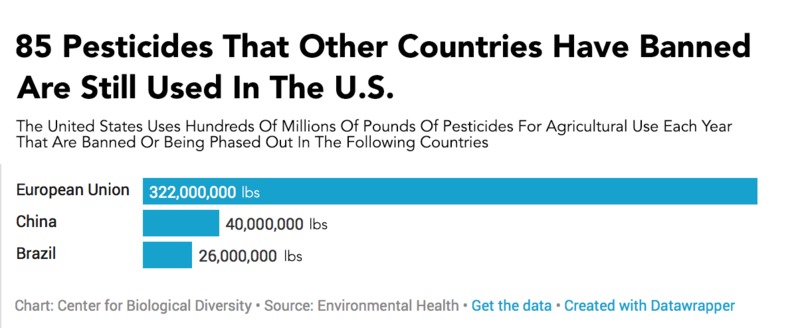
The lesson is clear. We cannot achieve a cleaner world fighting one chemical at a time. As much as we know some chemicals like glyphosate and chlorpyrifos are perhaps more toxic or pervasive than some others, we cannot cherry pick the handful of worst offenders and try to pick them off one by one. There simply isn’t enough time (unless you think a standard of 50 or more years from introduction to ban to be your measure of success). We must get to the core of the problem.
- Companies must prove chemicals are safe before they are allowed to introduce them on the market.
- Consumers should have a right to know if there is toxic residue on their food.
- Because of their position between farms and consumers, brands, suppliers, and distributors should be the intermediary that requires testing from the farms. They also should test their final product for toxic residue and provide complete transparency to consumers. Finally, that transparency to consumers has to be provided in an actionable format — at a time when they are making purchasing or eating decisions. Consumers should not have to contact a customer service person to request the information.
How Can You Protect Your Loved Ones from Toxic Chemicals?
- Buy organic whenever possible but especially produce that you eat that cannot be peeled.
- Soak your produce in a solution of water with a bit of apple cider vinegar or baking soda or both.
- Buy from companies you trust. Avoid cheap food. Cheap can mean the farmer used a lot of chemicals to increase their yield so they can keep prices low.
- Ask brands you love to test their food and make the results publicly available.
- Contact the EPA and ask them to ban chlorpyrifos and to require chemical companies to prove their products are safe before they can be used. Consider tweeting them at https://twitter.com/epa.
Does ZEGO Test for Chlorpyrifos?
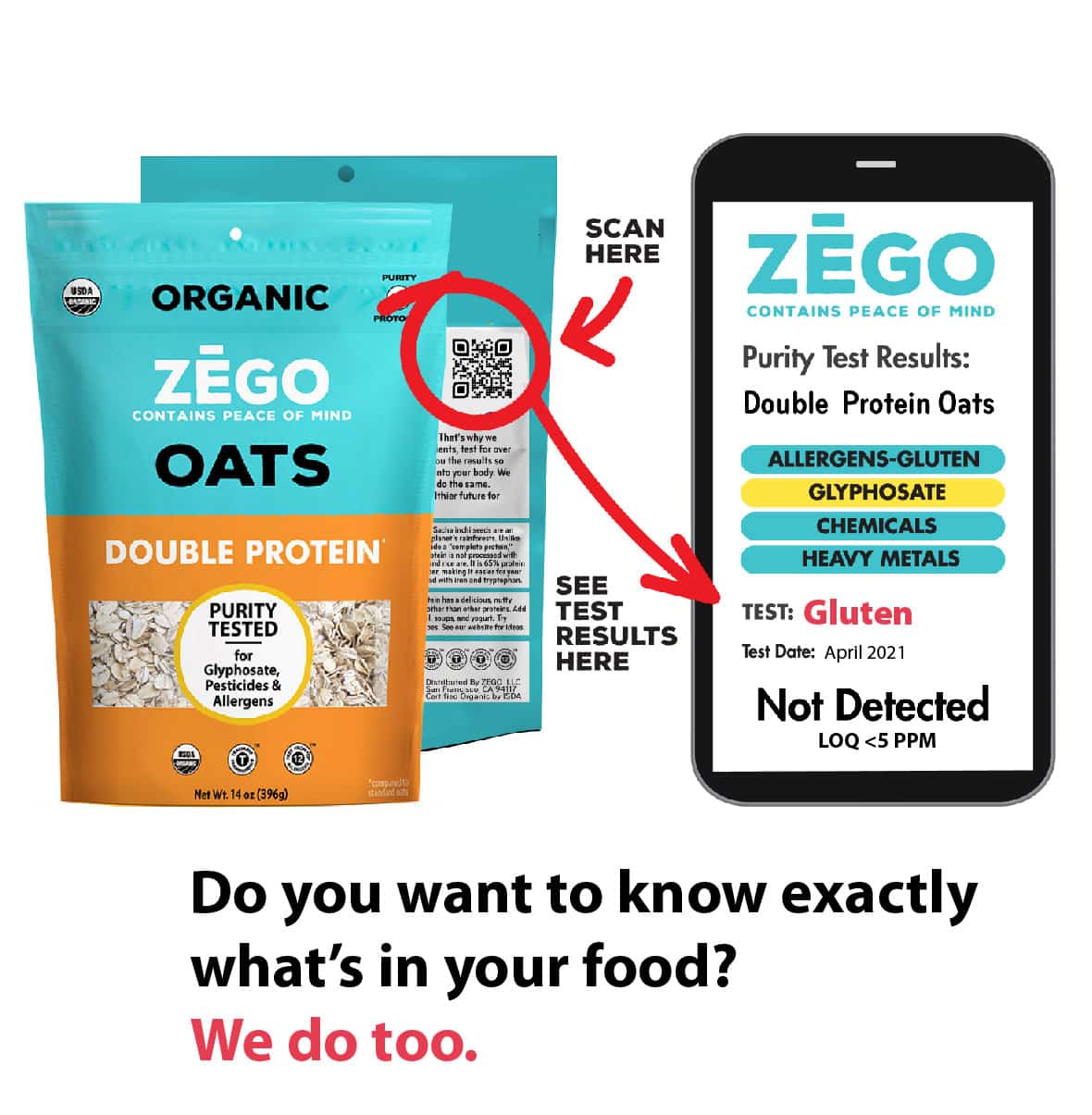
Yes! We do and have since we introduced our purity testing back in 2018. You can see our results on our pesticide panels for each product on our Food Safety tab on our website, or by scanning the QR code on any of our packages. This is exactly the type of testing and transparency all brands should commit to. Why? Because if consumers aren’t informed about the prevalence of toxic residue in our agriculture system and on their food, they won’t have the information and inspiration to demand better. And, better is what we have to strive for every day.
Some of the information in this blog came from Wikipedia, which has extensive information on the history and toxicity of this chemical.
Colleen Kavanagh is the founder and CEO of ZEGO, a company that seeks to inspire changes in the food system so it better nourishes all people and our planet. She spent 20 years working to better nourish low-income children through improved public policies and programs, working for Congressman George Miller in Washington, DC and various anti-hunger nonprofits. She founded the nonprofit www.abettercourse.org. In 2013, she decided the only way to better nourish the most vulnerable is to leverage consumer demand through the marketplace to regenerating the food system and protect the most vulnerable. And that, lead to her starting ZEGO.
-
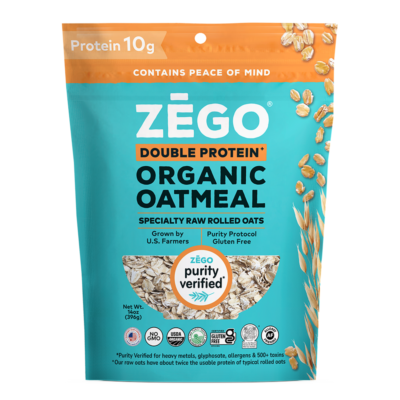
 Organic Double Protein Oats 1 bag$8.99 — or subscribe to save 10%
 -
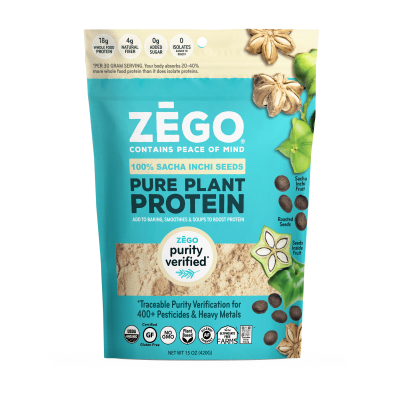
Organic Plant Based Protein Powder (15oz bag)$29.99 — or subscribe to save 10%
-
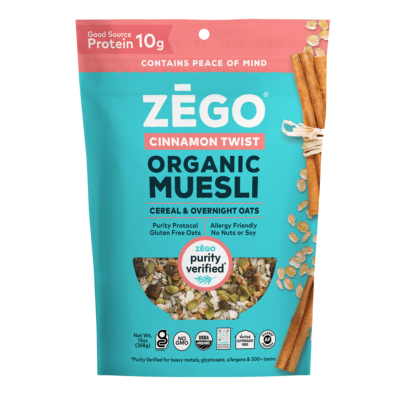
Organic Gluten-Free Muesli: Nut Free Cinnamon Twist (13oz)$9.99 — or subscribe to save 10%
-
Organic Double Protein Oats 5 bag case$44.95 — or subscribe to save 5%
-
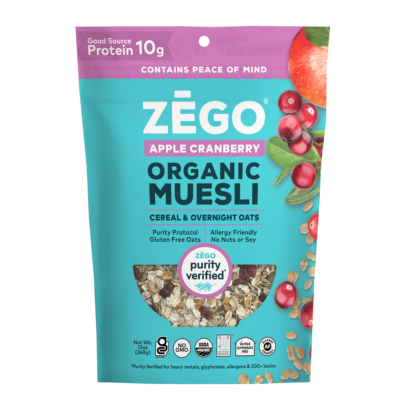
Organic Gluten Free Muesli: Apple Cranberry (13oz)$9.99 — or subscribe to save 10%
-
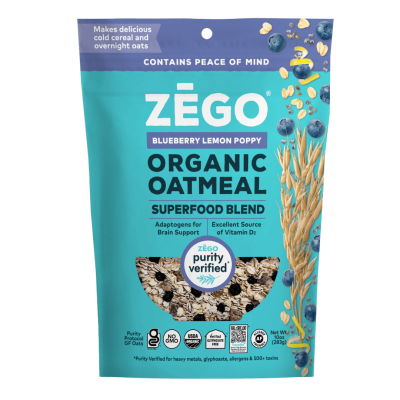
Organic Oatmeal Superfood Blueberry Lemon Poppy 1 Bag$8.99 — or subscribe to save 10%
-
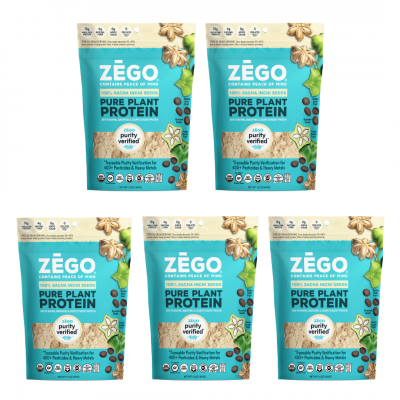
Organic Plant Protein (5 bags, 15 oz each)$149.95 — or subscribe to save 5%
-
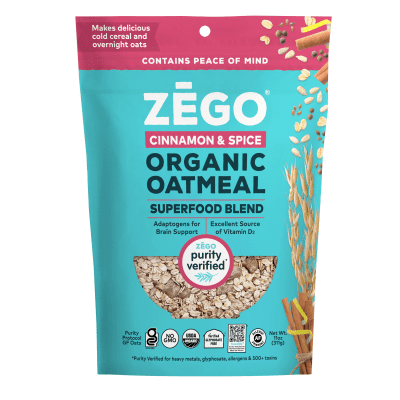
Organic Oatmeal Superfood Cinnamon Spice 1 Bag$8.99 — or subscribe to save 10%
-
Regenerative Organic Oats 1 bag$8.99 — or subscribe to save 10%

🥣 Find ZEGO on shelves this October!
You can find ZEGO Double Protein Organic Oatmeal at all Andronico’s Community Market locations and select Safeway stores in San Francisco.
When you find a bag, flip it over and scan the QR code to see the lab results for your specific batch.
📍 Found us at your local store? Tag the location in the comments to help others find us, too!
#ZEGOFoods #WheresZEGO #GlutenFreeOats #RegenerativeOatmeal #NaturalGrocery
Oct 12


🌱 𝗭𝗘𝗚𝗢 𝗙𝗼𝗼𝗱𝘀 𝗮𝘁 𝗥𝗙𝗦𝗜 𝗙𝗼𝗿𝘂𝗺 𝟮𝟬𝟮𝟲: 𝗔𝗱𝘃𝗮𝗻𝗰𝗶𝗻𝗴 𝘁𝗵𝗲 𝗙𝘂𝘁𝘂𝗿𝗲 𝗼𝗳 𝗥𝗲𝗴𝗲𝗻𝗲𝗿𝗮𝘁𝗶𝘃𝗲 𝗔𝗴𝗿𝗶𝗰𝘂𝗹𝘁𝘂𝗿𝗲
ZEGO Foods was proud to sponsor and participate in the RFSI Forum 2026 in Denver, joining leaders across investment, finance, agriculture, and food to explore ways to build a more resilient and regenerative food system. 💚
Our Founder and CEO, @colleen_kavanagh_z , joined these important conversations on how collaboration and innovation can drive meaningful change. We were also excited to partner with @philosopherfoods to bring nut butter to the event’s breakfast spread!
At ZEGO, we believe partnerships like these help bring people together around better food, support a more transparent food system, and create a healthier future for people and the planet. 🌎🌾
Thank you to the RFSI team and everyone working toward a more regenerative future!
#ZEGOFoods #RFSIForum2026 #PhilosopherFoods #RegenerativeAgriculture #FoodTransparency FoodSystemResilience
Oct 9

“Try it folks. It’s really the Best Breakfast Ever!” 🥣⭐⭐⭐⭐⭐
Jo P. found a new morning favorite, and we love how they make it their own! Here’s what’s in their bowl:
🍎 Hot, creamy ZEGO Double Protein Organic Oatmeal
🍁 A dollop of applesauce or a drizzle of maple syrup for a special treat
🌾 Specialty raw rolled oats, grown by U.S. farmers
✅ Purity Verified: third-party tested for 500+ agricultural chemicals and heavy metals, and gluten-free (<5 ppm)
What’s your go-to oatmeal topping? Tell us in the comments! 👇
Shop link in bio
#ZEGO #ContainsPeaceOfMind #PurityVerified #OatmealLove #RealReviews
Oct 8

🌱 What do oats and chickpeas have in common? They can help support healthier soil when grown together in thoughtful crop rotations.
Oats use nitrogen from the soil as they grow and build protein. Chickpeas and other legumes have a unique ability to help replenish nitrogen in the soil through a natural process called nitrogen fixation.
One of the most fascinating signs of this process happens underground. Legume roots can develop small nodules that indicate the plant is actively working with soil microbes to support nitrogen cycling. 🌿
It`s a powerful reminder that healthy food starts long before harvest. What happens beneath the surface helps support resilient soil, thriving crops, and a stronger food system.
At ZEGO, we believe better food begins with understanding where it comes from, how it`s grown, and the health of the soil that makes it possible. 🌎
#ZEGOFoods #RegenerativeAgriculture #SoilHealth #RegenerativeFarming #FoodTransparency
Oct 7

In August, Colleen stood in Jody`s oat field on the Manuel farm, and we have been waiting to show you these photos since.
National Farmers Day is next Monday, so this week belongs to the people who grow the food in your bowl. When we say know what`s in your bowl, it starts with knowing who planted it.
Swipe through the visit, and tell Jody hello in the comments.
#zegofoods #farmerswelove #nationalfarmersday #knowwhatsinyourbowl #oatfarm
Oct 5

Healthy soil. Stronger harvests. Better food.
On our Montana farm tour, we saw how thoughtful farming practices help support healthier growing systems. Crop rotation, including planting lentils and chickpeas alongside oats, helps naturally replenish soil nutrients and promote long-term soil health. It`s one example of how farmers work with nature to build more resilient food systems.
At ZEGO, we believe better food starts at the source, with transparency every step of the way.
#ZEGOFoods #RegenerativeAgriculture #SoilHealth #FoodTransparency #OrganicFarming
Sep 25

🥣 Simple. Protein-packed. Made for busy mornings.
Breakfast is evolving, and more people are looking for foods that are quick, simple, nourishing, and made with ingredients they can trust.
That’s why we created ZEGO Organic Double Protein Oats. 💚
With nearly double the digestible protein of typical oats, 20–40% more fiber than standard rolled oats, and Purity Verified: third-party tested for 500+ agricultural chemicals and heavy metals; gluten-free (<5 ppm). It’s a simple way to bring more nutrition and peace of mind to your morning bowl.
The best part? Make it your own with fresh fruit, a drizzle of honey, nut butter, or yogurt. 🍓🍯🥜
👉 Read our latest blog: LINK IN BIO
#ZEGOFoods #DoubleProteinOats #ProteinBreakfast #FoodTransparency #PurityVerified
Sep 19

Edacious FoodData just launched, and ZEGO LLC is proud to be included!
We tested with Edacious and are proud to share our results publicly and be part of a platform that`s finally showing the real variability that exists across the foods we all eat.
Check out our page, and explore the platform: LINK IN BIO
#ZEGOFoods #Edacious #FoodData #FoodTransparency #FoodTraceability
Sep 17

💚 Food transparency is gaining momentum.
California’s proposed “Non-Ultra-Processed” seal could be another step toward a future where consumers have greater access to meaningful food information and independent verification.
At ZEGO, we believe everyone has a right to know what’s in their food. That’s why our Purity Verified® program makes testing information easy to access. Simply scan the QR code on your package to see the information behind the food you choose.
Curious about what this proposal could mean for the future of food transparency? Read our latest blog article: LINK IN BIO
#FoodTransparency #PurityVerified #ZEGOFoods #KnowYourFood #PeaceOfMind
Sep 16

💚🫐 𝗠𝗮𝘁𝗰𝗵𝗮 + 𝗯𝗹𝘂𝗲𝗯𝗲𝗿𝗿𝘆 + 𝗹𝗲𝗺𝗼𝗻 = 𝘁𝗵𝗲 𝘂𝗹𝘁𝗶𝗺𝗮𝘁𝗲 𝘀𝗺𝗼𝗼𝘁𝗵𝗶𝗲 𝗰𝗼𝗺𝗯𝗼! This creamy, refreshing smoothie packs in plant-based protein, greens, and a delicious burst of blueberry-lemon flavor. ✨
Matcha Blueberry Lemon Protein Smoothie
🥛 1 cup gluten-free plant-based milk
🥬 1 cup baby spinach
🍌 1 banana
🫐 ½ cup blueberries
💪 2 tbsp ZEGO Sacha Inchi Protein Powder
🌾 3 tbsp ZEGO Blueberry Lemon Poppy Superfood Oatmeal
🍵 1½ tsp matcha powder
🧊 ½ cup ice
Blend everything on high for 30+ seconds until smooth. Add more milk for your desired texture, pour, and enjoy! 💚
Save this recipe for your next morning smoothie! ✨
#ZEGOFoods #MatchaSmoothie #ProteinSmoothie #SmoothieRecipe #HealthyRecipes
Sep 11

📍 𝗪𝗛𝗘𝗥𝗘’𝗦 𝗭𝗘𝗚𝗢? 𝗖𝗛𝗜𝗖𝗔𝗚𝗢𝗟𝗔𝗡𝗗! 🌆💚
We’re so excited to announce that ZEGO is rolling out across the Chicagoland area at Jewel-Osco! 🎉
You can now find some of your ZEGO favorites on shelves, including:
-Double Protein Oatmeal
-ROC Oatmeal
-Blueberry Lemon Poppy Superfood Oatmeal
-Cinnamon & Spice Superfood Oatmeal
From the city to the suburbs, we’re thrilled to be bringing ZEGO to more shoppers across the Chicago area. 🛒🌱
So the next time you’re shopping at Jewel-Osco, keep an eye out for ZEGO! 👀
📸 Find us? Snap a photo, tag @ZEGOFoods, and show us where you spotted us!
Chicago, we’re so happy to be here. 💚
#ZEGOFoods #WheresZEGO #JewelOsco #PurityVerified #BreakfastMadeBetter
Sep 9

🔎 Food transparency is gaining momentum.
New federal proposals related to GRAS ingredients and ultra-processed foods reflect a growing conversation about giving consumers better access to information about their food. At ZEGO, we believe people deserve meaningful, transparent information so they can make informed choices with confidence.
👉 Read more on the ZEGO blog – link in bio
#FoodTransparency #FoodSafety #KnowYourFood #ZEGO
Aug 28

🌾 A milestone for ZEGO!
Our first regenerative organic oat harvest is underway in Havre, Montana. 🌱
After years of drought and grasshopper damage, this crop is looking especially promising. As part of our commitment to gluten-free oats, we walked the fields to verify they were free of gluten-containing grains and were encouraged by how clean they looked. As with any organic farm, there are some weeds, including bindweed, alfalfa, and amaranth, but they can be easily cleaned out during processing.
Grateful for partners like Jody Manuel of Prairie Ranch Farm and Paul Lightfoot of Patagonia Provisions as we work together to strengthen a more transparent and resilient food system. 💚
#RegenerativeAgriculture #OrganicOats #Montana #ZEGOFoods
Aug 26

Newtopia Now 2026 @newtopianow was a good one! 🌱
Thank you to everyone who stopped by the ZEGO Foods booth and spent some time with us alongside GoodNow! We loved meeting so many people, sharing our products, and being part of such a great community.
A special thank you to @nanajoesgranola, @celiacandthebeast, and @collegeceliackc for connecting with us and helping make the event even more memorable. 💚
Until the next one! 🌱
#ZegoFoods #NewtopiaNow #GoodNow #PlantBased #PeaceOfMind
Aug 20

What’s driving the organic produce boom? 🌱
A recent Naturalist Podcast conversation with Nancy Coulter Parker and Brenna Davis, CEO of Organically Grown Company, explored themes we care deeply about: transparency, consumer trust, supporting farmers, and understanding where food comes from.
As consumers ask more questions, transparency is becoming essential. We’re proud to be part of the movement toward a more trustworthy food system. 🌾
📖 Link in bio to read and watch.
#ZEGOFoods #OrganicFood #FoodTransparency #OrganicProduce #FutureOfFood
Aug 17

Did you know oats go through a “milk stage”? 🌾
Before an oat becomes the grain we know, it passes through a stage where a milky substance forms inside the hull after pollination. Next comes the dough stage, before the oat fully matures.
Right now, the crop needs the right balance of heat and moisture to thrive. 🌱
It’s a reminder that there’s a lot happening behind every oat and that understanding how food is grown helps us all make more informed choices.
#ZEGOFoods #Oats #KnowYourFood #FoodTransparency #oatfarming
Aug 14

What’s really in your food? 👀
At ZEGO, we believe everyone has a right to know what’s in their food and where it comes from. 🌱
Hear our founder @colleen_kavanagh_z share how ZEGO Foods is raising the bar for food transparency and consumer trust. 🎙️ On About Road to Retail @road2retail , she discusses what it takes to build a brand that stands out through transparency, accountability, and a commitment to helping consumers know what`s in their food.
📖 Read the blog and 🎙️ watch the podcast through the link in bio.
#ZEGOFoods #FoodTransparency #FoodSafety #PurityVerified #KnowYourFood
Aug 13

Join the movement toward a more transparent food future. 🌱
We’re excited to be at @newtopianow with GoodNow Foods. Stop by Booth #1812 to meet the ZEGO team and discover how transparency, traceability, and Purity Verified standards are helping build greater trust in food.
📍 Booth #1812 | August 18–20 | Denver, CO
💚 We can’t wait to connect with the people helping shape what’s next in conscious food.
#NewtopiaNow #PurityVerified #ZEGOFoods
Aug 7

🌾 𝗢𝗮𝘁 𝗳𝗹𝗼𝘄𝗲𝗿𝘀 𝗮𝗿𝗲 𝗶𝗻𝘁𝗿𝗼𝘃𝗲𝗿𝘁𝘀
While other grains bloom out in the open, oat flowers stay hidden inside the hull. That tiny detail is one reason oat breeding takes so much care, precision, and patience.
Pretty cool for a breakfast staple. 💚
#ZEGOFoods #OatFacts #DidYouKnow #KnowYourFood #FoodScience
Aug 5

💚 𝗕𝗶𝗴 𝗻𝗲𝘄𝘀 𝗳𝗿𝗼𝗺 𝘁𝗵𝗲 𝗭𝗘𝗚𝗢 𝗰𝗼𝗺𝗺𝘂𝗻𝗶𝘁𝘆!
We’re honored to be featured in @eatingwell ‘s ”7 Best Cereals to Reduce Heart Disease Risk.” Thank you to registered dietitian @sheridietitian for including ZEGO and sharing how fiber-rich whole grains can support heart health.
We’re proud to be part of the conversation around nutritious, transparent food choices that help people feel confident about what’s on their plate.
Read the full story: Link in Bio 💚
#EatingWell #HeartHealth #HealthyBreakfast #WholeGrains #Zegofoods
Aug 4
